What Homeowners Should Know About Energy-Efficient Window Replacement
Understanding the Role of Windows in Home Comfort
Windows do more than let in light and frame a view. They act as a barrier between the conditioned air inside your home and the weather outside. When that barrier weakens, your heating and cooling systems have to work harder to keep up. This is where energy-efficient window replacement becomes a practical upgrade for many homeowners. The goal isn't just to save on utility bills, though that often follows. It is about making the home more comfortable, quieter, and less drafty throughout the year.
Older windows, especially those with single panes or worn-out seals, allow heat to escape in winter and let cool air seep out in summer. Even double-pane windows from the 1990s may have lost their insulating gas or developed seal failures. Replacing them with modern, energy-efficient units can change how a room feels. But the process involves more than picking a new frame color or glass style. Understanding how windows are rated, what materials work best for your climate, and how proper installation affects performance is essential before making a decision.
How Energy-Efficient Windows Work
Modern energy-efficient windows rely on several technologies working together. Low-emissivity (low-E) coatings are microscopically thin layers of metal oxide applied to the glass. These coatings reflect infrared heat back into the room while letting visible light pass through. In summer, they help keep indoor heat from radiating outward and block some of the sun's heat from entering. In winter, they reflect interior heat back inside, reducing the load on your furnace.
Between the panes, many windows are filled with argon or krypton gas. These gases are denser than air and provide better insulation than a simple air gap. The spacer system that separates the panes also matters. Warm-edge spacers reduce heat transfer at the edge of the glass, where older aluminum spacers would conduct cold or heat directly through the frame. Together, these features give a window its overall U-factor and solar heat gain coefficient (SHGC). The U-factor measures how well the window prevents heat from escaping, while the SHGC measures how much solar radiation passes through. A good energy-efficient window balances these two numbers based on your climate. In colder regions, a lower U-factor is more important. In warmer areas, controlling solar gain takes priority.
When Replacement Makes Sense
Not every older window needs to be replaced. Some can be repaired with new weatherstripping, caulking, or storm panels. But if the frames are rotting, the glass is fogged between panes, or the windows are single-pane and drafty, energy-efficient window replacement is worth considering. Another sign is condensation forming on the interior glass surface during winter. That means the glass is too cold relative to the indoor air, indicating poor insulation. Upgrading to double- or triple-pane windows with low-E coatings will raise the interior glass temperature and reduce condensation.
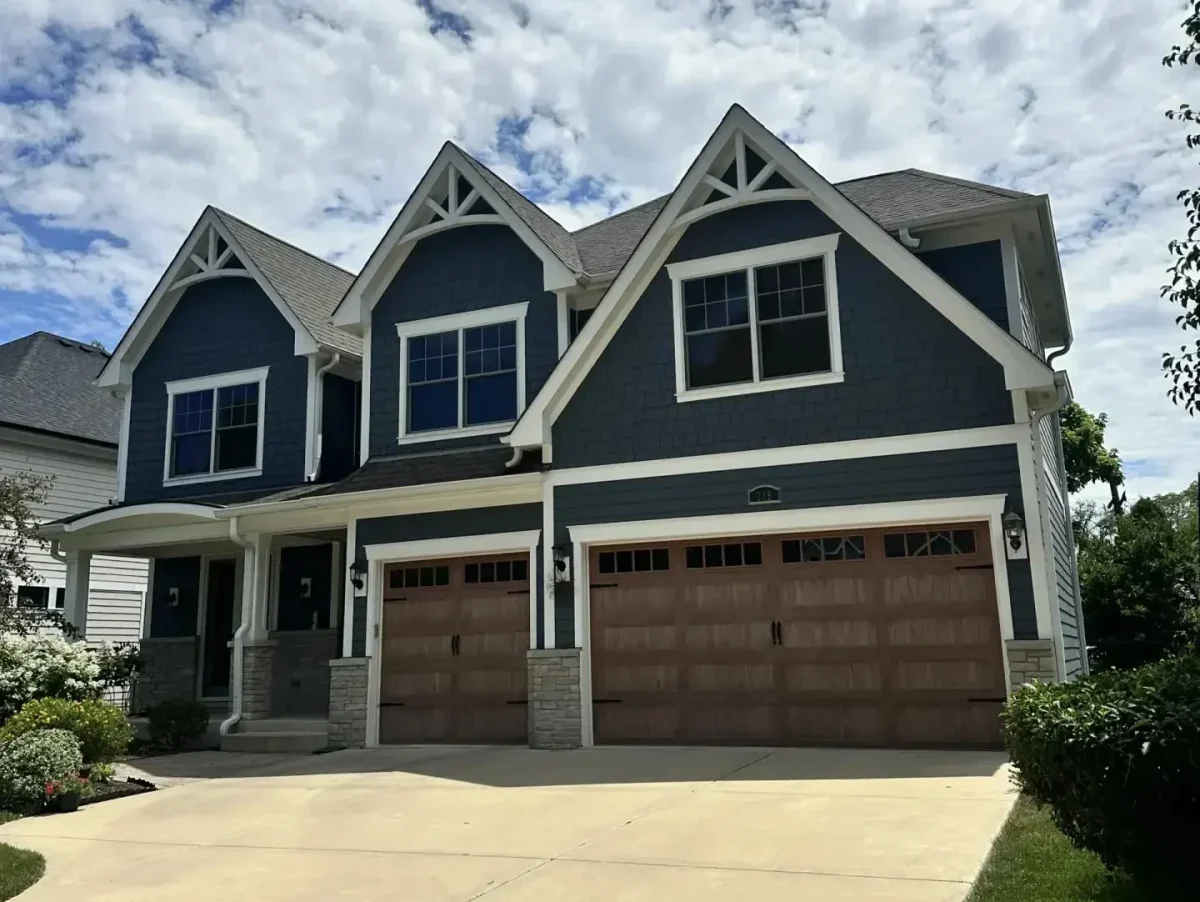
There is also the matter of comfort. Even if your heating bill is manageable, sitting near a cold window on a winter evening is unpleasant. Heat loss through glass creates a downdraft that makes the area feel drafty. Replacing those windows with units that have a lower U-factor will keep the indoor surface temperature closer to room temperature, making the space feel more even. Similarly, in summer, windows that let in too much solar heat can make rooms feel stuffy and increase the load on air conditioning. A well-chosen window with an appropriate SHGC can reduce that heat gain noticeably.
Material Choices and Trade-Offs
Window frames come in several materials, each with strengths and weaknesses. Vinyl frames are affordable, offer good insulation, and require little maintenance. They are a common choice for replacement projects. Wood frames provide a classic look and good insulation but need painting or staining periodically. Aluminum frames are strong and lightweight but conduct heat readily, so they must include a thermal break to perform well in cold climates. Fiberglass frames are less common but offer excellent insulation and durability, though at a higher cost.
The choice depends partly on the style of your home and partly on your budget. A historic house may look best with wood or clad wood windows, while a modern home might suit vinyl or aluminum. No single material is best for every situation. The key is to pair the frame with good glass and proper installation. A top-tier window installed poorly will perform worse than a mid-tier window installed correctly.
Installation Matters as Much as the Window
Even the most efficient window will leak air if it is not sealed properly. Gaps between the window frame and the rough opening allow air infiltration, which defeats the purpose of energy-efficient window replacement. Water intrusion can also lead to rot and mold. A proper installation includes flashing at the head, a sill pan at the bottom, and careful sealing around the sides. The window must be level, plumb, and square to operate correctly and maintain its seal over time.
Many homeowners focus on the window's rated performance and overlook the installation. But the installed performance depends heavily on how the window is integrated into the wall assembly. If you are hiring a contractor, ask about their installation methods. Do they use expanding foam or fiberglass insulation around the frame? Do they install a sill pan to direct water outward? Do they tape the weather-resistant barrier to the window flange? These details separate a durable installation from one that may cause problems later.
What to Look for in a Replacement
When shopping for new windows, look for the National Fenestration Rating Council (NFRC) label. It provides standardized ratings for U-factor, SHGC, visible transmittance, and air leakage. These numbers let you compare products directly. An ENERGY STAR certification means the window meets or exceeds energy performance guidelines set by the U.S. Environmental Protection Agency. ENERGY STAR windows are tested and rated for different climate zones, so you can choose a product suited to your region.
Beyond the label, consider the window's design. Casement windows typically seal tighter than sliding windows because they compress the gasket when closed. Awning windows offer good ventilation and seal well. Double-hung windows are classic and easy to clean but may have more air leakage than a casement if not designed well. The choice should balance your home's architectural style with your performance goals.
Planning a Replacement Project
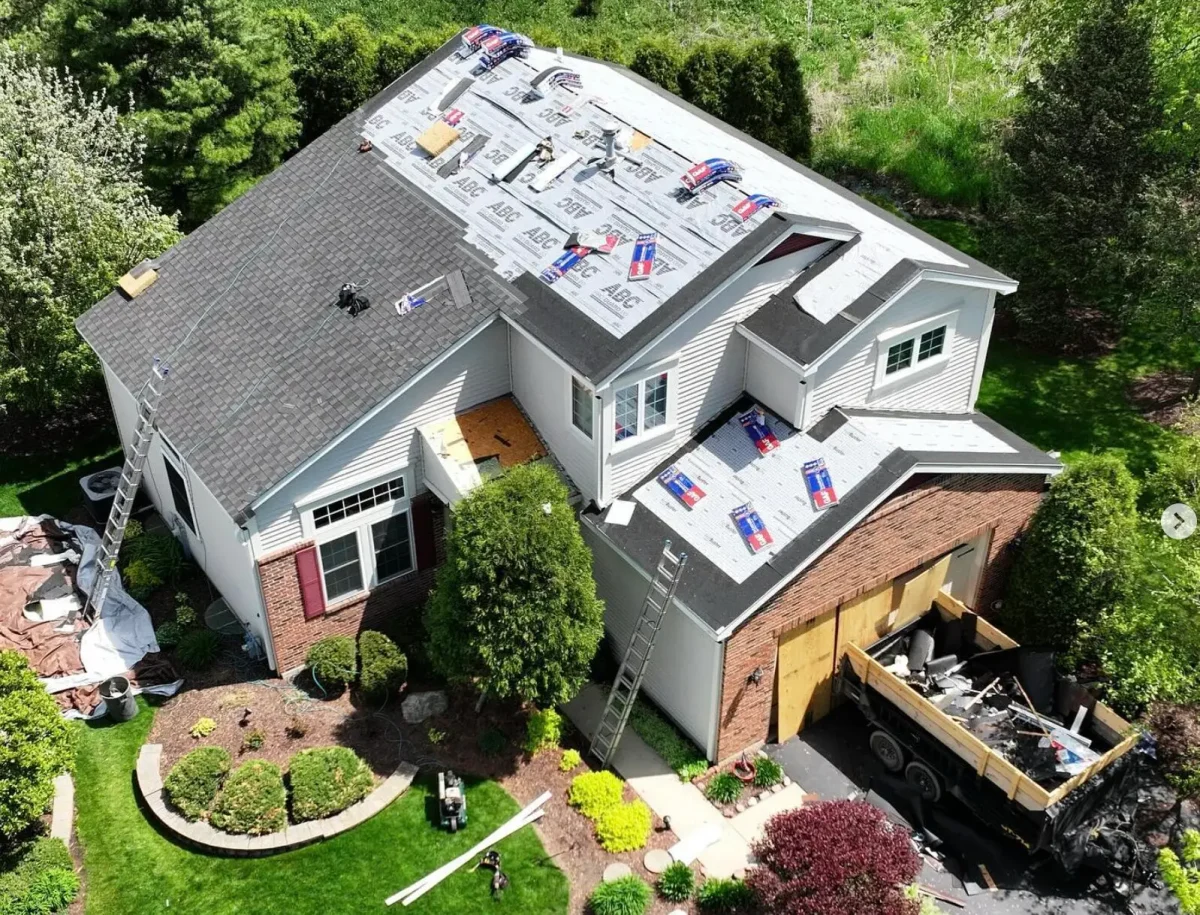
Replacing windows is not a quick weekend project for most homeowners. It involves measuring, ordering, waiting for delivery, and then installation that may require removing siding or interior trim. Coordinating with other exterior work, like siding or roofing, can save time and money. If you are already planning to replace siding, doing windows at the same time allows the installer to integrate the window flanges into the weather-resistant barrier and siding correctly, reducing the chance of leaks.
It also helps to replace all windows on a similar exposure at once. Doing one window at a time may be easier on the budget but can leave the house looking mismatched if the new windows differ in style or color. A phased approach works best if you replace windows on one side of the house per season, keeping the look consistent within each phase.
Connect with us on Instagram.
Energy-efficient window replacement is a long-term investment. Windows last 20 to 30 years or more, so the choices you make now will affect your home's comfort, energy use, and appearance for decades. Taking the time to understand the technology, the ratings, and the installation process will help you get the best result.
Final Considerations
If your current windows are beyond repair and you are tired of drafts, fogged glass, or high energy bills, upgrading to modern energy-efficient windows is a practical step. The improvement in comfort is often noticeable immediately. The reduction in noise from outside is another benefit that homeowners appreciate. While the upfront cost can be significant, the long-term value comes from lower energy use, fewer drafts, and a more comfortable home.
For homeowners in Downers Grove and the surrounding area, Royal Craft Home Remodelers Inc. offers exterior remodeling services including windows, siding, roofing, doors, and gutters. Located at 1525 Ogden Ave Ste e, Downers Grove, IL 60515, USA, this family-owned contractor has been serving the community since 1973. They can be reached at +1 630-725-1000 for those considering exterior upgrades.